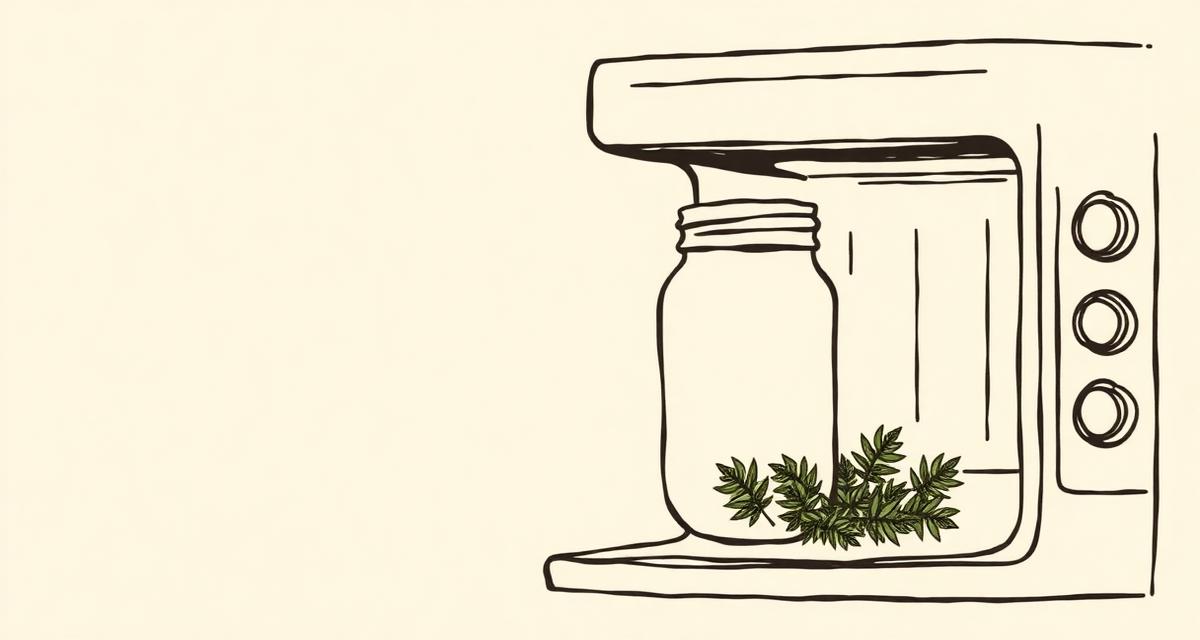
Make / infusionYour job: Produce a butter batch you can dose predictably.
Cannabutter is the most versatile cannabis infusion — the foundation of brownies, cookies, sauces, and any recipe that calls for butter. This is the universal recipe: any kitchen, any method. We cover three approaches from simplest to most precise (stovetop, slow cooker, and infusion machine), with exact temperatures, timing, ratios, and troubleshooting for each. Using a LEVO 2? After reading the recipe basics here, see our LEVO 2 settings guide for machine-specific cycle details.
If you haven't already decarboxylated your cannabis, start with our decarboxylation guide — it's a required first step for any butter infusion. Not sure whether a machine is worth it for your batch size? Take the 60-second machine finder.
What You Need
- Decarboxylated cannabis — 7g per cup of butter for standard potency, 14g for strong
- Unsalted butter — 1 cup (2 sticks / 227g) per batch
- Water — 1 cup (this prevents burning and is removed after infusion)
- Cheesecloth or fine mesh strainer
- Digital thermometer
Why add water?
Method 1: Stovetop
The most hands-on method, but offers good control over temperature for experienced cooks.
- 01
Melt butter with water over low heat
Combine 1 cup butter and 1 cup water in a medium saucepan. Stir until butter is fully melted.
- 02
Add decarbed cannabis
Stir in your decarboxylated flower. The mixture should be at a very gentle simmer — not boiling.
- 03
Maintain 160–180°F for 2–3 hours
Keep heat on the lowest setting. Check temperature every 20–30 minutes. Stir occasionally. Never let it boil — boiling destroys cannabinoids.
- 04
Strain through cheesecloth
Pour through a cheesecloth-lined strainer into a heat-safe container. Squeeze gently to extract liquid but don't force plant material through.
- 05
Refrigerate overnight
The butter will solidify on top. Poke a hole in the butter disk and drain the water underneath. Pat dry.
How to Make Cannabutter in a Crockpot (Slow Cooker)
The most popular method for home infusers. A crockpot's steady, low heat reduces the risk of overheating and requires far less monitoring than stovetop. If you've been searching for "crockpot cannabutter" or "weed butter crock pot," this is the safe, repeatable version.
- 01
Combine butter, water, and cannabis in the crockpot
1 cup butter + 1 cup water + 7g decarbed flower per batch (14g for strong). Always set to LOW — never HIGH, which runs too hot for cannabinoid preservation.
- 02
Cook on LOW for 4–6 hours
Stir every hour. The longer infusion at lower temperature extracts more cannabinoids than stovetop and is the safer of the two manual methods.
- 03
Verify temperature mid-cook
Most crockpots on LOW hold between 170–200°F (ideal). If yours runs hot (use a thermometer), crack the lid slightly to vent heat. Above 210°F, you start losing THC to CBN conversion.
- 04
Strain and refrigerate
Same as stovetop — pour through cheesecloth into a heat-safe container, chill overnight, then lift the butter disk off the water layer.
Crockpot temperature note
Water or no water in a crockpot?
Use water. The water layer regulates temperature (butter alone burns around 250°F; the water keeps the mixture below 212°F) and is removed cleanly after refrigeration — you just chill the pot overnight, lift the butter disk, and pour off the water underneath. Skipping water saves a step but raises the burn risk noticeably; it's not worth the trade for a 4–6 hour cook.
Method 3: Infusion Machine (LEVO, Ardent)
Dedicated infusion machines automate temperature and time with precision. The LEVO 2 and Ardent FX are the two most popular options. Simply add your ingredients, select a cycle, and let the machine handle the rest. See our tool comparisons for detailed reviews — or, if you're batching this monthly, the break-even math will show whether the upgrade pays back.
Dosage Calculations
To calculate the potency of your finished cannabutter, you need three numbers: flower weight, THC percentage, and extraction efficiency. Use the inline calculator below for a quick estimate, or our edible dosage calculator to estimate mg per serving.
Start lower than you think
Example of why dilution matters: 7g flower at 20% THC with 80% extraction efficiency = 1,120 mg total THC in 1 cup of butter. If you cut brownies into 16 pieces, each piece contains ~70 mg — well into "very strong" territory. Halving the cannabis or diluting the butter brings each serving down to a much more manageable 5–15 mg range.
Storage and Shelf Life
- Refrigerator: 2–3 weeks in an airtight container
- Freezer: Up to 6 months. Portion into ice cube trays for easy single-serving use
- Always label with date, strain (if known), and estimated potency per tablespoon
Need flower for your next batch? The sourcing guide covers legal CBD hemp flower for practice runs and dispensary shopping tips.
Troubleshooting
- Weak effects: Most likely a decarboxylation issue. Verify your decarb temperature and time. Also ensure you infused for long enough (minimum 2 hours stovetop, 4 hours crockpot).
- Bitter or green taste: Too much plant material passed through the strainer, or the cannabis was ground too fine. Use coarser grind and don't squeeze the cheesecloth too hard.
- Grainy texture: Water wasn't fully removed. Re-melt the butter on low heat, let it settle, and strain again through fine cheesecloth.
- Inconsistent potency: Cannabis wasn't mixed evenly into the butter during infusion. Stir more frequently during the cooking process.
What to Make with Cannabutter
Once you have cannabutter, you can use it anywhere regular butter is called for:
- Cannabis brownies — the classic edible
- Cannabis grilled cheese — use cannabutter to toast the bread
- Cannabis hot chocolate — melt cannabutter into hot milk
- Simple toast, pasta, or any recipe where butter adds flavor
Dairy-free or cooking savory? The same steep works in oil — infused salts and seasonings and infused sugar cover the dry-carrier versions. If an oil batch comes out weak where butter worked, the five reasons oil fails to infuse are ranked by likelihood.
Frequently Asked Questions
How much cannabis should I use per cup of butter?+
Can I use salted butter?+
Why does my cannabutter smell so strong?+
Can I use cannabutter in any recipe?+
Weak batches usually fail at decarb or straining, not dosing.
This page contains affiliate links. We may earn a commission at no cost to you. Affiliate disclosure.